
Q1: What is the basic information?
A1:
CAS No. 859-18-7
Molecular Formula: C₁₈H₃₅ClN₂O₆S
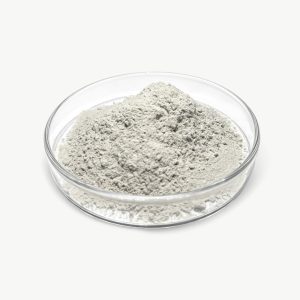
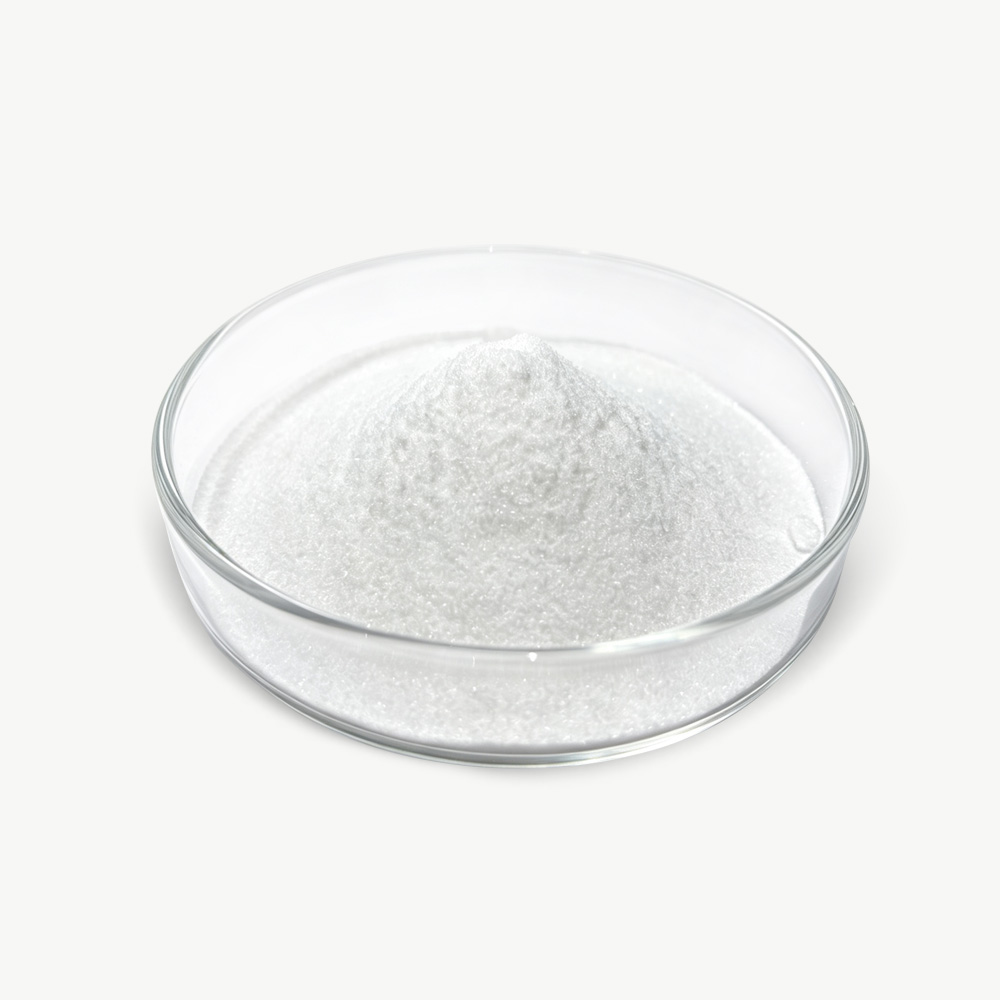
Appearance: White or off-white crystalline powder, bitter taste. Readily soluble in water (>500 mg/mL), soluble in methanol and ethanol, practically insoluble in chloroform and ether. Aqueous solution pH ≈ 3.0–5.5, stable.
Q2: What is its pharmacological action?
A2: Lincosamide antibacterial antibiotic. Binds to bacterial 50S ribosomal subunit 23S rRNA → inhibits peptide chain translocation → blocks protein synthesis. Highly effective against Gram-positive bacteria (Streptococcus, Staphylococcus aureus, Corynebacterium pyogenes) and anaerobic bacteria (Clostridium perfringens); partially effective against mycoplasma. Generally insensitive to Gram-negative aerobic bacteria. Achieves high concentration in bone tissue.
Q3: What are its indications?
A3: Swine dysentery caused by Treponema pallidum, necrotic enteritis in swine/poultry (Clostridium perfringens), adjunctive treatment for swine mycoplasmal pneumonia, avian mycoplasma synoviae infection (in combination with aminoglycosides), soft tissue and bone infections in cattle/dogs.
Q4: What are the storage requirements?
A4: Store in a sealed container at 2–8°C.